- The Deep View
- Posts
- Why AI agent slop is overwhelming workers
Why AI agent slop is overwhelming workers

The Deep View
April 20, 2026

Hello, friends. Sam Altman's World ID just brought its iris-scanning verification to dating apps, enterprise tools like Zoom and DocuSign, and even agentic workflows. Anthropic launched Claude Design, expanding beyond its developer roots to give teams a native tool for creating visual assets and iterating on designs through prompts. And the agent mania gripping the industry is producing a real problem: AI workslop. As OpenClaw founder Peter Steinberger put it, agents without strong human direction still produce slop. The bottleneck isn't technology. It's humans doing the thinking. —Jason Hiner
1. Why AI agent slop is overwhelming workers
2. Claude Design pushes Anthropic beyond coding
3. World ID tackles the trust crisis AI created
GOVERNANCE
Where humans still matter in the age of AI agents
A lot of forward-thinking leaders are running around right now telling people that if they don't have AI agents working for them, then they're falling behind.
But what's getting lost in the shuffle when it comes to agents is the phenomenon that Peter Steinberger, the founder of OpenClaw—the movement that jump-started the 2026 agent boom—has clearly talked about: the ways agents need humans.
"They are spiky smart, and they're really good at things, but if you don't navigate them well, if you don't have a vision of what you're going to build, it's still going to be slop," said Steinberger, in an interview with Peter Yang. "If you don't ask the right questions, it's still going to be slop."
I've been thinking about Steinberger's words a lot lately in the midst of all the current agent-mania. A recent study found that white-collar workers are facing an explosion of AI-generated "workslop" from chatbots spitting out documents with poor direction from humans—the same issue Steinberger highlighted. This is inundating workers with piles of these docs to sort out and clean up. As a result, 92% of executives say AI is making workers more productive, while 40% of workers claim it saves them no time at all.
Meanwhile, the buzz phrase that's been running rampant in the AI industry lately is "AI psychosis." This isn't the chatbot psychosis that refers to people who fall in love with chatbots or suffer a break from reality because of chatbot hallucinations. No, this type of AI psychosis was coined from a recent comment by AI pioneer Andrej Karpathy, and it's being referred to in the AI industry in near-heroic terms.
It's a type of token-maxing mania that AI coders experience when managing a swarm of agents, which they claim hugely boosts their productivity and causes them to work 18 hours a day, as they get hooked on constantly providing feedback to their agents and on how much they believe they can accomplish.
As I mentioned in my roundup from the HumanX conference, the people I spoke with in the AI industry at the event said the number of people running around claiming they are experiencing that kind of AI psychosis is greatly exaggerated, since it's being paraded as a badge of honor. Still, token-maxxing is being rewarded with little regard for the quality of the output.

In his April 16 TED Talk about how he created OpenClaw, Steinberger said that before OpenClaw he had been burned out and demotivated about creating software. But when he first tried coding agents in early 2025, he quickly discovered they automated "all the boring parts" of software development. "The bottleneck is no longer typing," he said. "It's thinking." Despite Steinberger's repeated emphasis on the importance of thinking and human direction of agents, the current agent mania has largely ignored this and blown through all wisdom and restraint. It would be smart for AI enthusiasts and enterprises to take note.

TOGETHER WITH ATTIO
The Best Teams Aren't Bigger. They're Better Informed.
The advantage isn't more people. It's fewer blind spots.
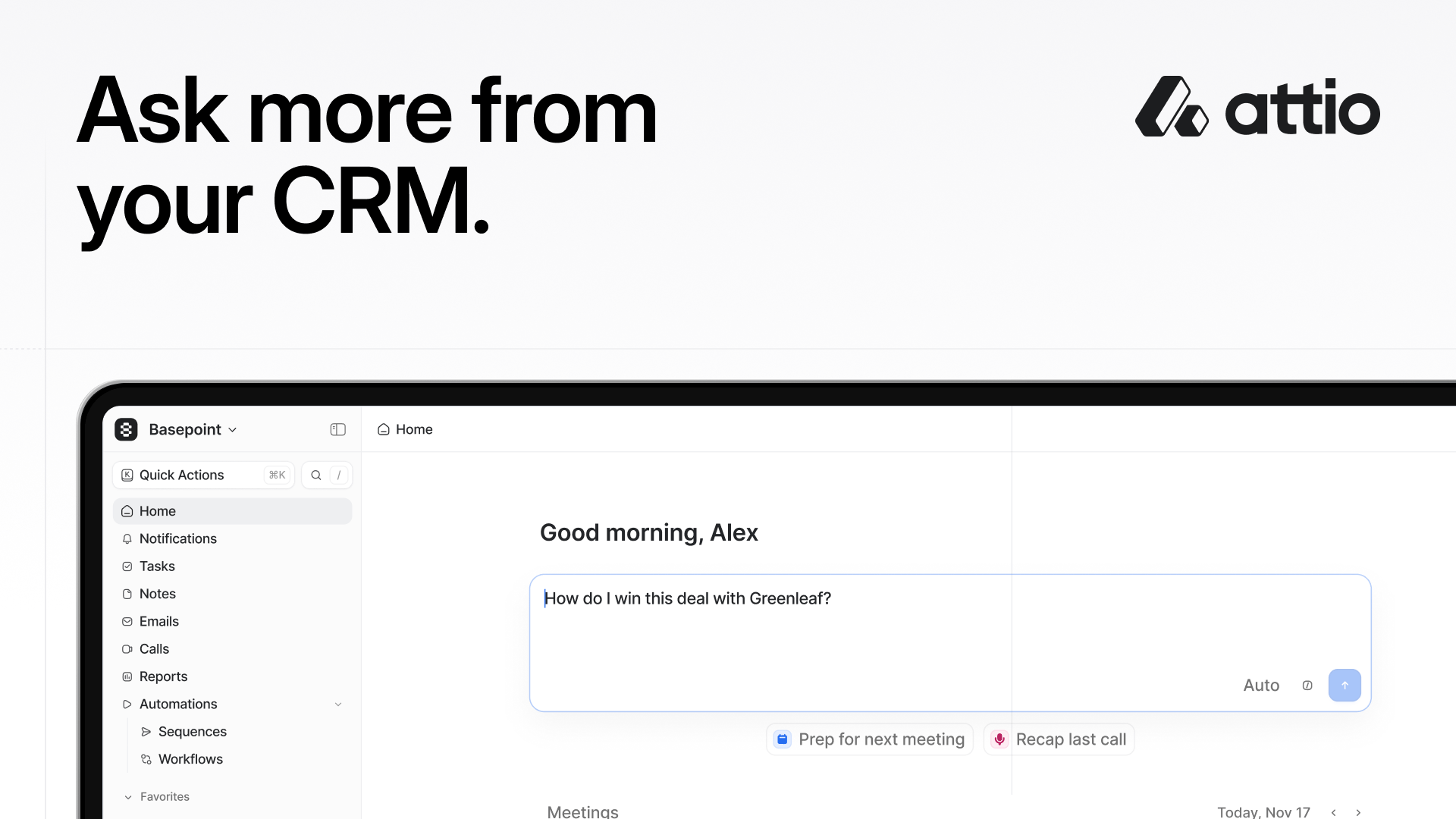
Attio is the AI CRM that gives every team in sales, ops, success, and leadership a single, complete picture of what's happening across the business. Connect your email, calls, calendar, and product data, and Attio gets to work automatically:
No manual logging — every interaction is captured and synced the moment it happens
No missing context — every deal, relationship, and signal is always up to date
No silos — one shared view of the business, accessible to every team
Then Ask Attio what to do with it. Powered by Universal Context, Attio's intelligence layer, everything your business knows becomes something your whole team can act on instantly.
The fastest moving teams aren't guessing. They're running on Attio.
PRODUCTS
Claude Design pushes Anthropic beyond coding
A day after launching its latest model, Claude Opus 4.7, Anthropic has already put it to work in a new product aimed at streamlining the design process.
On Friday, Anthropic launched Claude Design, an Anthropic Labs product that lets users create visual projects, such as flyers, designs, and slides, from a text description, which Claude uses to build a version that can be iterated on through prompts, direct edits, or the custom sliders Claude provides.
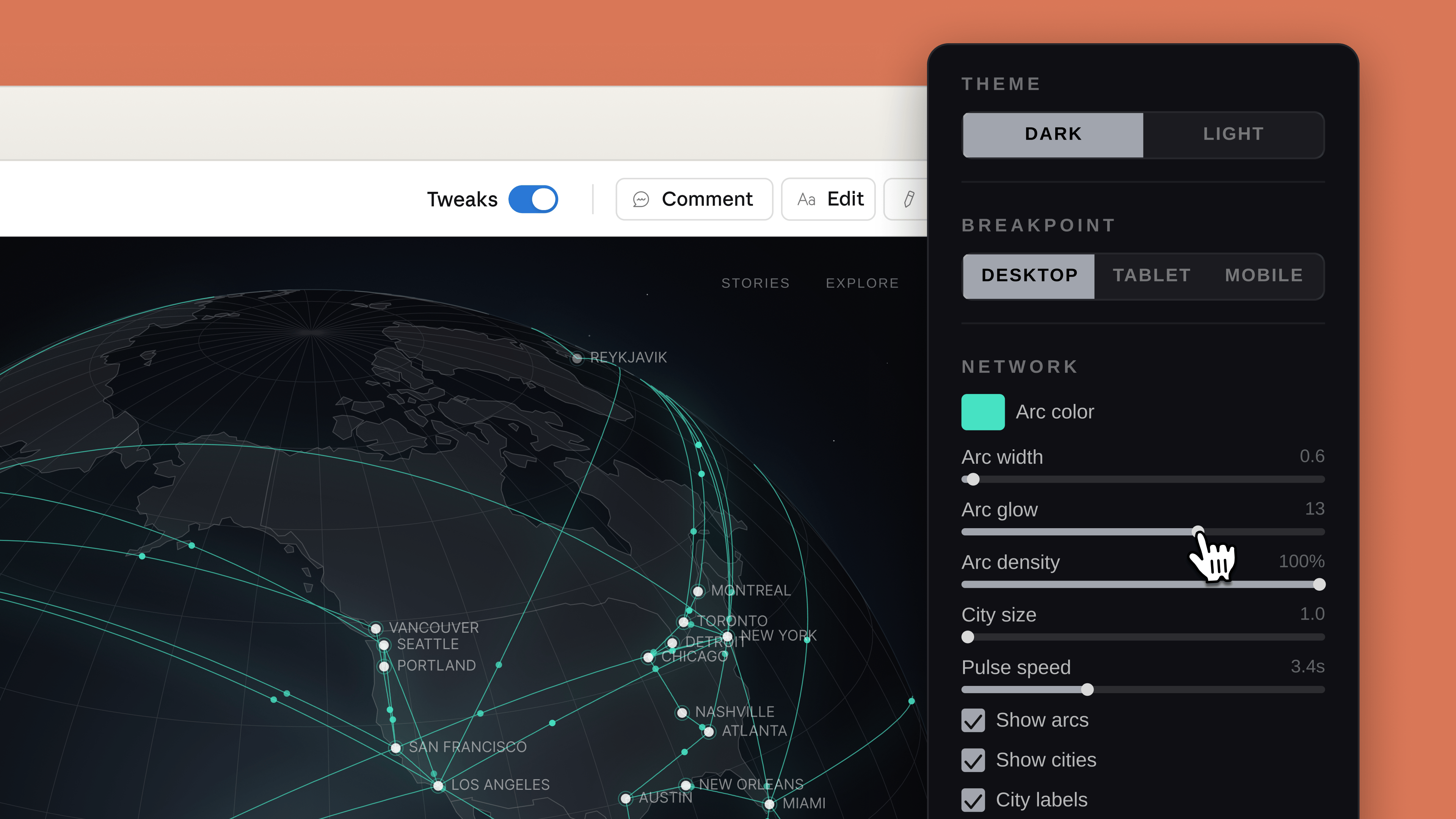
Claude Design integrates visual tools. Image credit: Anthropic
Teams can also feed Claude Design the company’s design styles and guidelines, so it can be applied automatically and remain consistent with the rest of the branding. This can be done by importing images, documents, or the codebase, and using the web capture tool to grab elements directly from the brand website.
Anthropic says that teams have already been using it to create realistic prototypes, product wireframes and mockups, pitch decks, marketing assets, and even multimodal designs. Anthropic subtly sprinkles in that the intention of the product is not to replace designers, but rather to give designers the ability to shift their bandwidth onto more important tasks.
“Even experienced designers have to ration exploration—there's rarely time to prototype a dozen directions, so you limit yourself to a few… Claude Design gives designers room to explore widely and everyone else a way to produce visual work,” said Anthropic in the post.
Once a design is created, teams can collaborate on it and export it as a link, folder, PDF, PPTX, standalone HTML files, or even directly to Canva, where users can keep iterating on the design. It can also be handed off to Claude Code to start building. At launch, it is available for Claude Pro, Max, Team, and Enterprise subscribers.
My first thought was how refreshing it is to see Anthropic expand into a new sector for working professionals, rather than its usual focus on developers and technical enterprise needs. It is also a more creative way of weaving design into the platform through a native experience, rather than stopping at a Canva integration, which, while it may be useful to some to avoid context switching as much as possible, offers little beyond what simply opening Canva already provides. Also, design is a key aspect of coding and software development. So in that sense, this move also supports Anthropic's broader mission to empower software builders.

TOGETHER WITH LLAMAINDEX
What Is Every Agent’s Nightmare?
Two words: Financial. Documents.
They’re some of the messiest data sources your AI agents will ever encounter, which can be stressful beyond belief for you… unless you have LiteParse.
This open-source document parser from LlamaIndex can transform unstructured financial documents into clean, compiled data – we’re talking over 500 pages in 2 seconds with no GPU required. If that sounds too good to be true, you can see it in action for yourself during their latest webinar, where their Head of Open Source will walk through building a financial research agent from scratch. Register for the webinar right here and never let a financial document frustrate you again.
POLICY
World ID tackles the trust crisis AI created
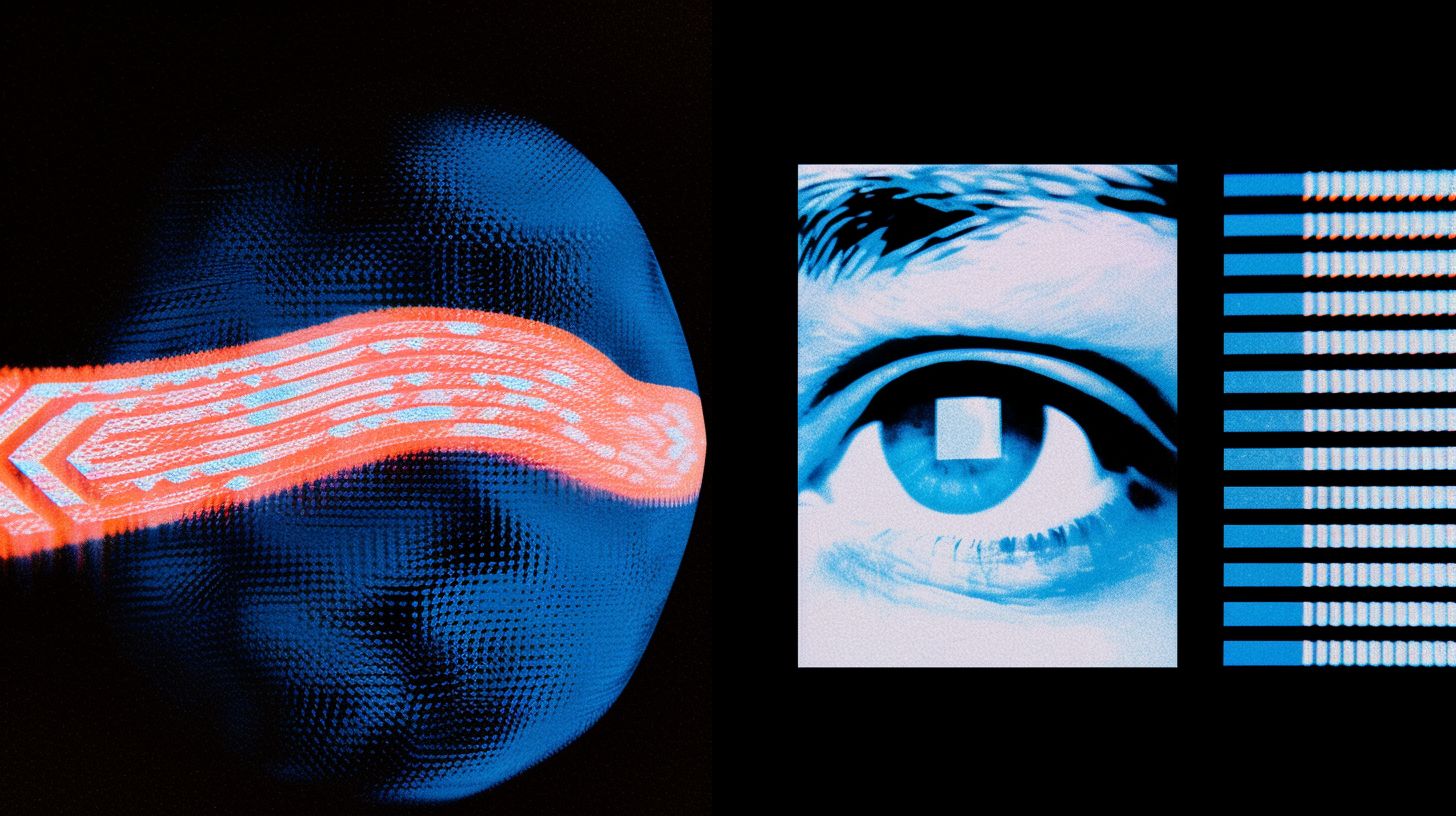
A gleaming orb that scans your retina to confirm you are, in fact, human sounds like something straight out of science fiction.
But Sam Altman's World ID is not fiction, and behind its unsettling premise lies a genuine attempt to solve one of AI's most pressing problems: proof of humanity, a mission this launch puts front and center.
At its Lift Off event on Friday, World, the startup founded in 2019 by Sam Altman, Alex Blania, and Max Novendstern, upgraded its World ID protocol to a full-stack proof of humanity, built for a world where AI makes it increasingly difficult to distinguish the real from the artificial across three areas: people, businesses, and AI agents.
For people
World ID is bringing proof-of-human technology to everyday consumer platforms where distinguishing bots from real people is critical, including dating apps, gaming, and event ticketing, through partnerships in key categories. World and Match Group already piloted the feature on Tinder in Japan, badging verified accounts, and are now expanding it to the US with perks like five free boosts.
A new Concert Kit lets artists reserve tickets for verified humans, cutting out bots that drive up prices. In gaming, World has partnered with Razer and Mythical Games to help players know whether they are competing against a bot or a real person. Reddit, meanwhile, is considering World ID to keep bots off its platform as well.
For businesses
World reassures that its protocol is built for enterprise deployment requirements. It also unveiled two partnerships that are bringing it to enterprises today: Zoom and DocuSign. World has a Deep Face technology which can be used to confirm that the person speaking is a real human and not a deepfake, and Zoom is the first platform to put in their product. Similarly, a partnership with DocuSign ensures verified humans sign documents, preventing unauthorized signing.
Outtake Verify for Email, powered by World ID, cryptographically signs outgoing messages to confirm a verified human sent them, with Tools for Humanity already deploying it across its global workforce.
Don’t worry, if your curiosity is piqued about how it all works, stay tuned for a follow-up feature I am writing. This article is simply a rundown of the news.
For agents
Agents often take many actions for people, but a commonly overlooked aspect is that a human must have approved the action. AgentKit seeks to address agentic workflow bottlenecks of that kind, including agent delegation, human-in-the-loop, and agentic commerce. A partnership with Vercel brings humans into the loop for developers building on Vercel's new Workflow SDK. Meanwhile, Browserbase and Exa are using World ID to distinguish human-backed agents from unverified traffic, offering verified agents better access and fewer restrictions.
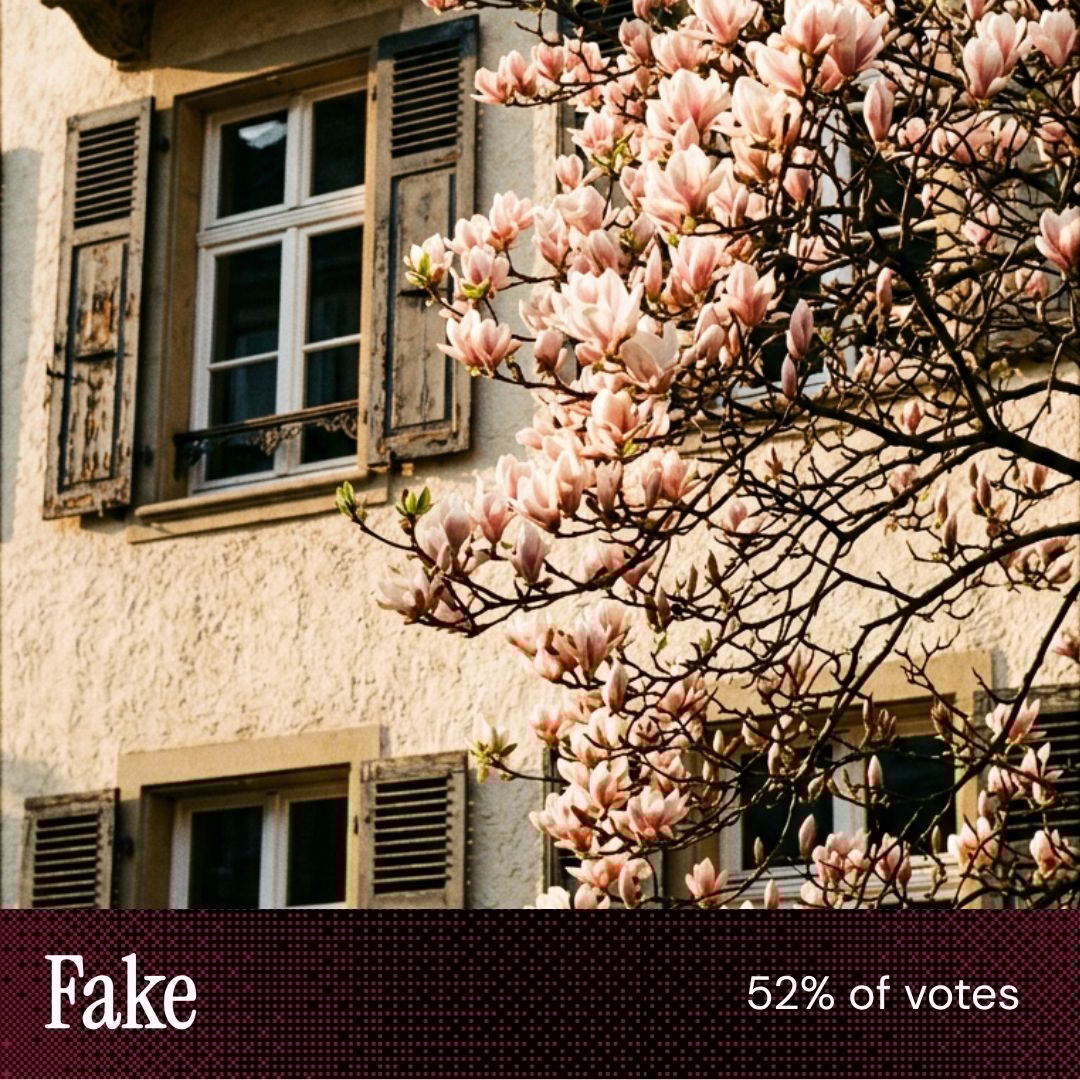
It's fascinating that World was founded in 2019, well before the AI boom made authentication and proof of humanity more urgent than ever. As the daily "AI or Not" polls in The Deep View newsletter illustrate, distinguishing the real from the artificial is only getting harder, making phishing and other scams increasingly difficult to spot. The paradox is that people simultaneously, and often willingly, grant AI agents extraordinary access to sensitive data to maximize their usefulness. Proof of humanity helps on both fronts, ensuring that everyone in an interaction has a clear understanding of what they are actually dealing with. None of that makes the idea of iris scanning to prove your humanity feel any less futuristic or dystopian, and it may take most people a long time to be comfortable with it. Still, 18 million already have, so the future may already be here.

LINKS

Tesla expands robotaxi service to Dallas, Houston
Mistral on track for $80 million monthly revenue by December
Palantir publishes manifesto denouncing “regressive cultures”
Several OpenAI executives exit, including head of science and Sora leaders
Anthropic CEO says 50% of entry-level jobs in tech will be “wiped out”
Humanoid robot broke world record for half marathon in China

Simple: From desk to gym — rebuild your core, boost posture, and feel better with just 7 minutes a day. (sponsored)
Headless 360: Salesforce has launched its biggest transformation yet, turning its entire platform into AI agent infrastructure.
Vantage: A new Google Research project that uses AI to assess skills.
ElevenAgents: Voice AI platform ElevenLabs launched voice agents in 70+ languages.
Vercel Flags: A centralized place to create flags, define targeting rules, run progressive rollouts, and A/B tests, now generally available.

Anthropic: Research Engineer, Safeguards Labs
OpenAI: Researcher, Interpretability
Physical Intelligence: Research Scientist
Amazon: Applied Scientist, AWS Neuron Science Team

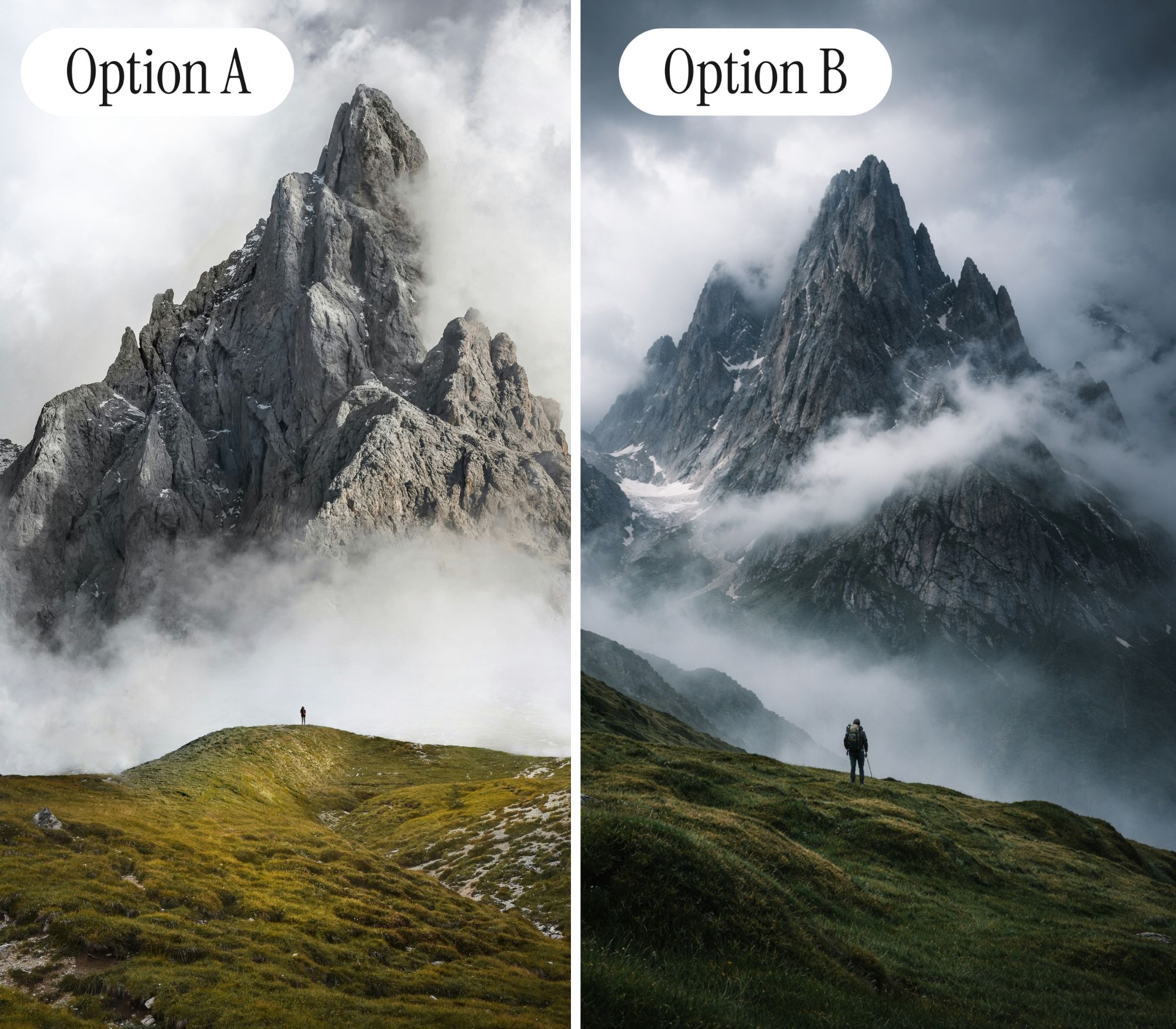
A QUICK POLL BEFORE YOU GO
In your experiments with AI agents, have they met your expectations? |
The Deep View is written by Nat Rubio-Licht, Sabrina Ortiz, Jason Hiner, Faris Kojok and The Deep View crew. Please reply with any feedback.

Thanks for reading today’s edition of The Deep View! We’ll see you in the next one.

“[This image’s] flowers looked too elongated.” |

“The dead give away was the Victorian style iron lattice across the lower part of the middle window. That just doesn't belong there.” “The wall in [this image] has the normal imperfection that buildings usually have due to weather conditions.” |


If you want to get in front of an audience of 750,000+ developers, business leaders and tech enthusiasts, get in touch with us here.